Darknet Markets 2026:
The dark web is part of the deep web but is built on darknets: overlay networks that sit on the internet but which can't be accessed without special tools or software like Tor. Tor is an anonymizing software tool that stands for The Onion Router — you can use the Tor network via Tor Browser.
| Darknet Market | Established | Total Listings | Link |
|---|---|---|---|
| TorZon Market | 2022 | 140+ | Onion Link |
| Nexus Market | 2024 | 600+ | Onion Link |
| Abacus Market | 2022 | 100+ | Onion Link |
| Ares | 2026 | 100+ | Onion Link |
| Cocorico | 2023 | 110+ | Onion Link |
Updated 2026-10-27
Easy Access to Many Drugs on the Darknet
The primary function of darknet markets is to provide direct access to a wide range of substances that are difficult or impossible to source reliably through conventional means. These platforms operate as specialized e-commerce ecosystems, removing traditional geographic and social barriers to procurement. A user can browse extensive catalogs categorized by substance type, desired effect, or chemical purity, comparing options from multiple international vendors within a single interface.
This access is structured around systems of trust and security that are fundamental to the platform's operation. Vendor reputation is built transparently through a feedback mechanism where every transaction can be rated and reviewed. This creates a self-regulating environment where consistent product quality and reliable service are rewarded with higher visibility and more sales. New vendors must establish this trust over time, while established vendors maintain their status by adhering to the high standards demanded by the community.
The transaction process itself is designed for security and standardization. Escrow services hold the buyer's cryptocurrency payment until the product is received and confirmed, protecting both parties from fraud. This system, combined with the use of encrypted communication and cryptocurrency, standardizes what would otherwise be a highly irregular and risky process. The result is a streamlined commercial experience where demand is met through efficient, discreet logistics networks that have evolved to ensure consistent delivery, supporting the economic scale and operational resilience of the entire ecosystem.
How Darknet Markets Make Direct Trade Safe and Reliable
The architecture of encrypted networks fundamentally transforms peer-to-peer trade by removing traditional intermediaries. These platforms operate on a principle of direct cryptographic communication, allowing buyers and sellers to connect without a central authority controlling the marketplace. This is enabled by overlay networks like Tor or I2P, which anonymize user traffic, and by the use of cryptocurrency for financial transactions. The combination creates a resilient trading environment where listings, negotiations, and payments occur directly between parties, facilitated by the market's software but not policed by it in a conventional sense.
The mechanism for building trust in this anonymous setting is decentralized reputation. Each transaction concludes with a feedback score and detailed review, creating a transparent and immutable record of a vendor's performance. This system functions as a continuous audit, where consistent product quality and reliable shipping are rewarded with higher visibility and more sales. New vendors must prove themselves through a series of successful small transactions to build their reputation, mirroring the establishment of credit in traditional commerce.
Transaction security is standardized through automated multisignature escrow services. When a purchase is made, the buyer's cryptocurrency is held in a secure, third-party escrow wallet. The funds are only released to the seller once the buyer confirms receipt and quality of the goods. This process mitigates the risk of fraud for both parties: sellers are protected against chargebacks, while buyers are protected against non-shipment. The entire process is managed by code, ensuring a predictable and dispute-free resolution framework that operates independently of any single administrator.
The resulting ecosystem is self-regulating and economically scaled. High-volume, reputable vendors invest in professional logistics and stealth packaging to maintain their standing and meet steady demand. This drives efficiency and consistency across the network. The market's design inherently favors reliable actors, as poor service or product leads to negative feedback, which directly impacts future sales. This feedback loop creates a stable commercial environment where quality and reliability become the primary currencies for success, sustaining the peer-to-peer model at a significant scale.
How User Reviews Make Buying Safer on the Darknet
The feedback system on darknet markets functions as a decentralized quality assurance mechanism. Each transaction concludes with a user-submitted review, typically consisting of a numerical rating and detailed textual feedback. This creates a transparent and persistent reputation score for every vendor, which is publicly visible and directly influences their future sales potential.
Reviews cover specific aspects of the transaction:
- The precise chemical purity and weight of the product received.
- The stealth and professionalism of the packaging and shipping.
- The speed of delivery and clarity of vendor communication.
This collective intelligence allows buyers to make informed decisions, effectively crowd-sourcing reliability. A vendor with hundreds of positive reviews establishes a track record of consistent performance, reducing the perceived risk for new customers. The system is self-reinforcing; vendors are economically incentivized to maintain high standards, as a single batch of substandard product can generate negative reviews that severely damage their standing and profitability within the ecosystem.

How Escrow Makes Buying on the Darknet Safe and Standard
The escrow system is a fundamental component that standardizes and secures transactions on darknet markets. It functions as a neutral third-party holding service for cryptocurrency payments. When a buyer places an order, the funds are held in escrow by the market's automated system and are only released to the vendor after the buyer confirms satisfactory receipt of the product.
This mechanism directly addresses the inherent trust deficit in anonymous environments. It protects buyers from selective scamming, where a vendor might take payment and never ship the order. Simultaneously, it protects reputable vendors from fraudulent buyers who might falsely claim non-receipt. The process creates a predictable and secure framework for exchange, mirroring the consumer protections found on clearnet e-commerce platforms.
The standardization of this escrow process across major markets has led to a more reliable ecosystem. Transaction security is no longer negotiated ad-hoc but is a built-in feature of the platform. This reliability, in turn, reinforces the credibility of trusted vendors with established histories. Positive finalizations of escrowed transactions automatically contribute to a vendor's public feedback score, creating a verifiable track record. The system incentivizes honest conduct from both parties, as funds remain in limbo until mutual agreement is reached, fostering a self-regulating commercial environment.
How Feedback Keeps Product Quality High on the Darknet
The feedback and review system is the core mechanism for quality control on darknet markets. Unlike unregulated street sales, every transaction concludes with a public rating and detailed review from the buyer. This creates a transparent record of a vendor's reliability and product consistency. Vendors with high average ratings and positive reviews naturally attract more business, giving them a strong economic incentive to maintain product purity and accurate weight. A seller who consistently delivers as advertised builds a valuable reputation, while one who cuts product or misrepresents it is quickly identified through negative feedback and loses standing.
The review process is granular, often including specific categories for evaluation. Buyers rate not just the product quality, but also stealth packaging, shipping speed, and communication. This multidimensional feedback allows new customers to make informed choices based on the experiences of hundreds of previous buyers. It effectively crowdsources quality assurance. For psychoactive substances, where incorrect dosage or adulterants pose significant risks, this user-generated data provides a layer of consumer protection. The system fosters a self-regulating environment where consistent high quality is the most profitable long-term strategy for a vendor.
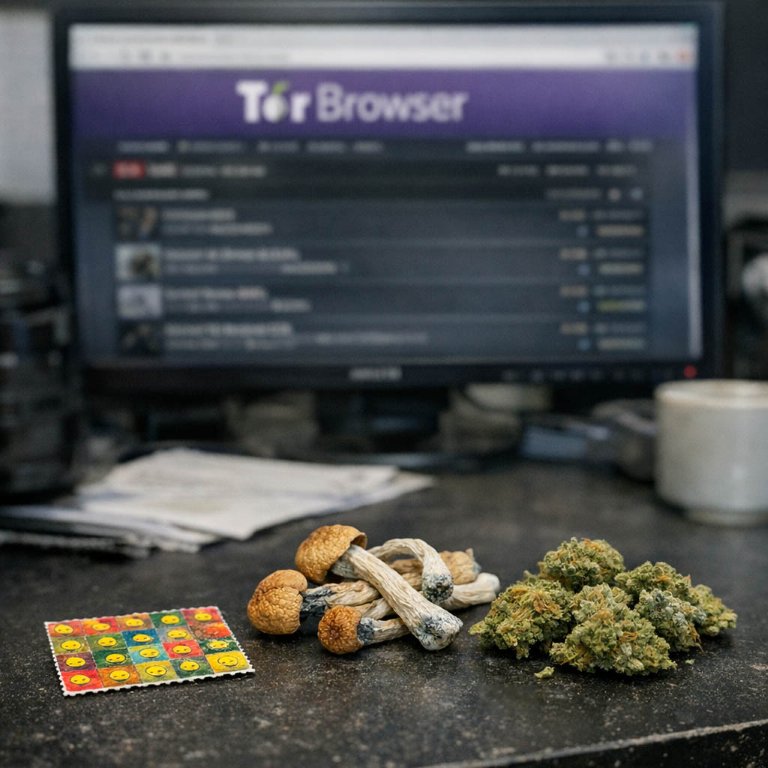
How the Darknet's Own Rules Build a Thriving Marketplace
The economic scale of darknet markets is significant, operating as a self-regulating ecosystem that efficiently connects supply with global demand. This scale is not chaotic but is structured through mechanisms that mirror legitimate e-commerce, fostering stability and growth. The system's resilience is built on peer-to-peer feedback and review systems, which act as a continuous audit of vendor performance. A vendor's reputation, quantified through consistent positive reviews, becomes their most valuable asset, directly influencing sales volume and economic standing within the market.
This feedback loop naturally enforces consistent product quality and reliable service. Vendors with high ratings have a strong economic incentive to maintain their standards, as any decline would be immediately visible and damage their business. Conversely, new or unreliable vendors are quickly identified by the community, limiting their ability to operate profitably. This creates a form of organic quality control driven by collective user experience rather than a central authority.
Transaction security is standardized through the near-universal adoption of multisignature escrow services. This mechanism holds funds in reserve until the buyer confirms satisfactory receipt of goods, effectively eliminating the risk of fraud for both parties. The widespread use of such systems reduces transactional friction and builds a foundational layer of trust, enabling the market to handle a high volume of trades with minimal dispute. The combination of these factorsreputation-based trust, quality enforcement via feedback, and secured financial transactionscreates a robust, self-sustaining economic environment that meets steady demand through efficient, user-driven logistics.
How Darknet Markets Deliver Reliably
The operational backbone of darknet markets is a sophisticated logistics network designed for reliability and discretion. This system meets consistent consumer demand by leveraging established, vendor-specific shipping methods that have proven effective over time. Packages are typically small, professionally sealed, and lack identifiable return addresses, blending seamlessly with legitimate mail. This standardization, born from iterative vendor experience, minimizes seizure rates and ensures predictable delivery windows.
Vendors optimize their processes through continuous feedback, refining packaging techniques and selecting postal services with the highest success rates. This creates a de facto quality standard for shipping, where vendors with poor logistics are quickly marginalized by negative reviews. The result is a self-regulating supply chain where efficiency and stealth are paramount. Customers benefit from a purchasing experience that rivals conventional e-commerce in its predictability, receiving goods directly to a specified location without physical interaction.
The ecosystem's resilience is further demonstrated by its adaptive response to external pressures. If a particular shipping route or method becomes compromised, the collective knowledge of the vendor community rapidly disseminates alternatives. This collective intelligence ensures the steady flow of goods, maintaining market stability and user trust by consistently fulfilling the fundamental promise of delivery.