Darknet Markets 2026:
The dark web is part of the deep web but is built on darknets: overlay networks that sit on the internet but which can't be accessed without special tools or software like Tor. Tor is an anonymizing software tool that stands for The Onion Router — you can use the Tor network via Tor Browser.
| Darknet Market | Established | Total Listings | Link |
|---|---|---|---|
| TorZon Market | 2022 | 140+ | Onion Link |
| Nexus Market | 2024 | 600+ | Onion Link |
| Abacus Market | 2022 | 100+ | Onion Link |
| Ares | 2026 | 100+ | Onion Link |
| Cocorico | 2023 | 110+ | Onion Link |
Updated 2026-10-27
A Huge Selection of Quality Products
The primary advantage of a darknet marketplace is the unprecedented access it provides to a global inventory of substances. This variety directly benefits the consumer by fostering a competitive environment where vendor reputation becomes the paramount currency. A seller's ability to consistently offer high-purity products is meticulously documented through a transparent system of user reviews and detailed ratings.
This system creates a self-regulating ecosystem. Buyers rely on the aggregated feedback from previous transactions, which typically includes information on:
- Product potency and accuracy of description
- Stealth and reliability of shipping methods
- Professionalism and communication of the vendor
The escrow service is fundamental to this trust model. Funds are held securely by the marketplace until the buyer confirms satisfactory receipt of the order, which incentivizes vendors to maintain high standards. Consequently, the most successful vendors are those with long-standing profiles and thousands of positive reviews, effectively crowd-sourcing quality assurance. This mechanism reduces uncertainty and allows for informed purchasing decisions based on empirical evidence rather than claims.
How Crypto Payments Build Trust on the Darknet
The transactional architecture of darknet marketplaces, built upon cryptocurrency, fundamentally enables the sophisticated mechanisms for finding quality products and reliable vendors. The pseudonymous nature of payments like Bitcoin and Monero creates a persistent, verifiable record of all transactions tied to a vendor's shop. This financial transparency is the bedrock of the reputation system. A vendor's sales volume, visible on their profile, serves as a primary metric of reliability and product demand. High, consistent sales over a long period indicate a vendor's established presence and operational stability, reducing the risk of exit scams or fraudulent listings.
The immutable ledger of blockchain transactions allows the escrow system to function securely, which directly influences buyer confidence and vendor accountability. Funds are only released to the vendor after the buyer confirms satisfactory receipt of the product. This process incentivizes vendors to maintain high product quality and reliable shipping methods to ensure prompt finalization of sales and positive feedback. The feedback and review system, therefore, is not merely social but is financially anchored. Each review is typically linked to a verified purchase, making it a credible data point. Buyers systematically analyze:
- The vendor's overall rating percentage and the total number of transactions.
- Detailed textual reviews describing product potency, stealth packaging, and communication.
- The vendor's response rate and manner in resolving any disputes mentioned in feedback.
This ecosystem fosters a self-regulating environment where vendors compete on service and product consistency. A vendor with thousands of successful transactions and a 98 positive rating has a significant financial interest in maintaining that reputation, as it directly drives future revenue. The use of cryptocurrency thus facilitates a decentralized trust model where economic incentives align with the delivery of quality goods and dependable service, allowing informed purchasing decisions based on aggregated, transaction-verified community data.
How Escrow Makes Buying on the Darknet Safe and Reliable
The escrow system is a fundamental mechanism that directly enables the discovery of quality products and reliable vendors on darknet marketplaces. It functions as a neutral third-party service, holding a buyer's cryptocurrency payment in secure custody until the ordered goods are received and confirmed as satisfactory. This arrangement effectively shifts the risk from the buyer to the platform, creating a structured environment where trust can be built through transactional evidence rather than blind faith.
For a buyer, this means the ability to verify a vendor's reliability before funds are permanently released. The process encourages vendors to maintain high standards:
- Products must match their advertised descriptions to avoid disputes.
- Shipping must be timely and discreet to prompt the buyer to finalize the order.
- Communication must be professional to resolve any issues before a dispute is opened.
A vendor's history within this system becomes a transparent and critical metric. Consistent finalized orders and positive feedback, visible to all users, serve as a direct indicator of a vendor's reputation. The escrow model naturally filters out unreliable actors, as those who fail to deliver do not receive payment and quickly accumulate negative reviews, making them unsustainable on the platform. Consequently, the most successful and established vendors are those who have repeatedly proven their ability to navigate the escrow process successfully, delivering the promised product quality and service. This creates a self-reinforcing cycle where financial security and reputation management align to elevate the overall quality and reliability of commerce within the marketplace ecosystem.
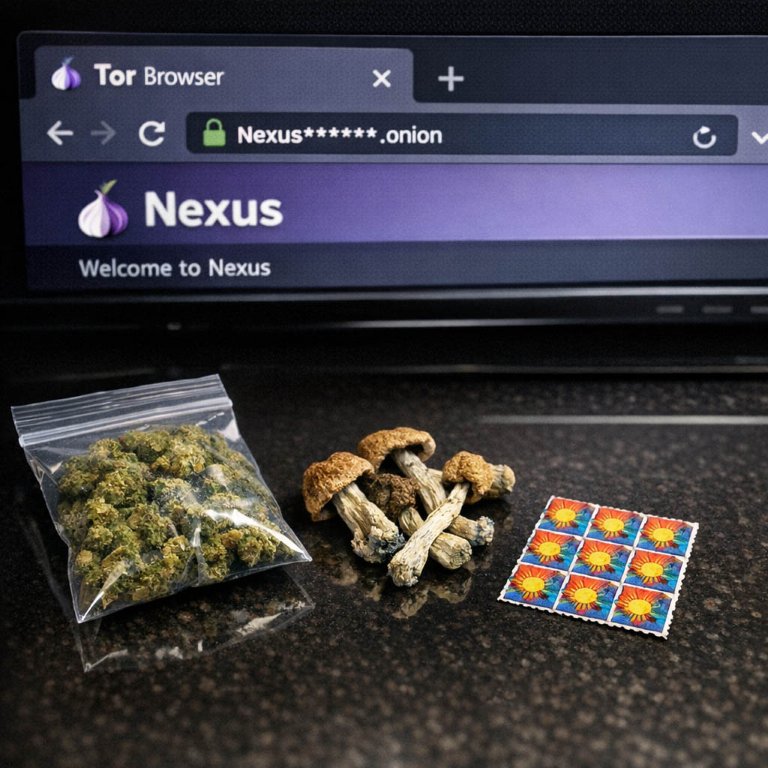
How Reviews and Ratings Build Trust on the Darknet
The user review system is the primary mechanism for establishing trust and ensuring product quality on a darknet marketplace. It functions as a decentralized form of quality control, where past transactions directly inform future purchasing decisions. Each review serves as a verifiable data point, reducing uncertainty for new buyers.
Vendor ratings aggregate these individual reviews into a reputation score, which is a critical metric. A vendor with a high score and a large number of transactions has demonstrated consistent reliability. Buyers typically prioritize vendors who maintain:
- High ratings for product purity and accurate weight.
- Positive feedback on stealth packaging and shipping speed.
- Consistent communication and professional conduct.
Detailed reviews often include photographic evidence of the received product, which adds a layer of verification beyond simple star ratings. This collective scrutiny creates a self-policing environment where vendors are economically incentivized to maintain high standards. A single batch of substandard product can rapidly damage a reputation built over hundreds of sales, making the feedback loop both immediate and impactful.
The system's effectiveness relies on the authenticity of reviews. Marketplaces mitigate fake feedback by restricting reviews to verified purchasers and using blockchain-based transactions that are difficult to falsify. This structure allows a buyer to efficiently identify reputable sources for consistent quality, transforming subjective experience into an objective, crowd-sourced guide.
How the Darknet's Community Keeps Drug Trade Quality High
The operational stability of a darknet marketplace depends directly on the quality of goods and the reliability of its vendors. This is managed not by a central authority, but by a self-regulating community of buyers and sellers. The system functions through transparent, user-generated feedback that creates a persistent record of performance.
Vendor reputation is quantified in a public profile displaying key metrics:
- Transaction count and overall rating percentage.
- Detailed feedback comments from completed orders.
- Specific product ratings and review history.
This data allows buyers to make informed decisions. A vendor with thousands of successful transactions and a 98 positive rating has a proven track record. The escrow system is fundamental here, as funds are only released after the buyer confirms satisfactory receipt. This mechanism aligns vendor success with honest conduct.
Community moderation through forums and review sections further enforces standards. Disputes are often resolved publicly, with community input shaping outcomes. This environment incentivizes vendors to maintain consistent product quality and reliable shipping methods to protect their business standing. New or unscrupulous vendors are quickly identified through negative reviews, which limits their ability to operate. The ecosystem thus continuously filters for quality, driven by the collective input of its participants.

Smooth and Secure Delivery for Your Needs
The operational success of a darknet marketplace is fundamentally dependent on its logistics. Reliable and discreet delivery services are not an added feature but a core requirement for both vendor reputation and customer satisfaction. These services function as the physical bridge between the digital agreement and the tangible product, making their efficiency paramount.
Vendors invest significant effort in developing sophisticated stealth packaging techniques. This involves multiple layers of vacuum sealing to contain odors, the use of decoy items or misleading outer packaging, and professional labeling that mimics ordinary commercial mail. The goal is to ensure the package passes through standard postal sorting systems without raising suspicion, thereby protecting the transaction's integrity. A vendor's consistent ability to deliver packages that arrive safely and on time is directly reflected in their user ratings and reviews, creating a powerful feedback loop that rewards quality service.
The process relies on established national postal services and private courier companies, leveraging their vast networks for anonymity. Tracking numbers are often provided, allowing buyers to monitor shipment progress without compromising security. This professional approach to logistics minimizes losses and builds trust within the ecosystem. Discretion in delivery ensures operational security for all parties and is a primary factor in a marketplace's resilience and sustained growth, as it directly addresses a critical logistical challenge.
How Reputation and Escrow Build Trust on the Darknet
The resilience of the darknet marketplace model is fundamentally driven by its ability to efficiently connect buyers with quality products and reliable vendors. This is not a passive system but an active, self-reinforcing ecosystem. The core mechanism is the reputation system, where every transaction feeds into a public record of vendor performance. A vendor's history, composed of user reviews and detailed ratings, becomes their most valuable asset. Buyers consistently seek out vendors with high scores, long histories, and positive feedback regarding product purity, weight, and communication, which directly channels economic success toward the most dependable actors.
This creates a powerful economic incentive for vendors to maintain high standards. The escrow system further secures this process by holding payment until the buyer confirms satisfactory receipt of the goods. This protects the buyer and ensures vendors must fulfill their promises to receive funds. Disputes are mediated by the marketplace administration, adding a layer of accountability. Consequently, the model naturally filters out scammers and low-quality suppliers, as they cannot sustain a positive reputation and are quickly marginalized by the community.
The result is a stable network where reliable vendors flourish. They often provide:
- Detailed product listings with laboratory analysis results.
- Professional customer service and discreet shipping methods.
- Consistent supply and transparent communication.
This environment allows buyers to make informed decisions with reduced risk. The collective intelligence of the user base, expressed through reviews, continuously audits the market. This decentralized form of quality control is central to the model's endurance and adaptability, ensuring that the most resilient marketplaces are those that best facilitate trust and transactional security between anonymous parties.
How the Darknet Builds Trust and Quality
The ecosystem's adaptation is driven by user demand for consistent quality and reliable transactions. Market participants have developed a sophisticated framework for evaluation that functions independently of traditional oversight.
The primary mechanism for finding quality products is the user review and vendor rating system. Each transaction generates detailed feedback on product purity, accurate weight, and shipping speed. Vendors with long-standing, high ratings establish a reputation for reliability, creating a direct incentive for maintaining quality standards. This system allows buyers to make informed decisions based on collective experience rather than marketing claims.
Beyond reviews, the self-regulating community enforces norms through forums and direct communication. Users share detailed testing results and experiences, quickly identifying and isolating vendors who supply substandard or misrepresented products. This communal verification acts as a continuous quality audit, pressuring vendors to adhere to advertised specifications. The escrow system supports this by holding payment until order confirmation, allowing buyers to verify the product before releasing funds and thus mitigating financial risk from poor quality.
Successful vendors adapt by specializing in specific product categories and investing in reliable and discreet delivery services. Consistency in packaging and logistics becomes a key component of their reputation. The marketplace model's resilience ensures that when one vendor exits, others quickly fill the demand niche, maintaining a steady supply of evaluated products. This creates a dynamic but stable environment where quality and vendor reliability are the principal currencies for sustained operation and growth within the ecosystem.