Darknet Markets 2026:
The dark web is part of the deep web but is built on darknets: overlay networks that sit on the internet but which can't be accessed without special tools or software like Tor. Tor is an anonymizing software tool that stands for The Onion Router — you can use the Tor network via Tor Browser.
| Darknet Market | Established | Total Listings | Link |
|---|---|---|---|
| TorZon Market | 2022 | 140+ | Onion Link |
| Nexus Market | 2024 | 600+ | Onion Link |
| Abacus Market | 2022 | 100+ | Onion Link |
| Ares | 2026 | 100+ | Onion Link |
| Cocorico | 2023 | 110+ | Onion Link |
Updated 2026-10-27
A Simple Guide to Safe Shopping on the Darknet
Accessing a secure darknet ecosystem begins with specialized software designed for anonymity. The Tor Browser is the primary tool, routing internet traffic through a distributed network of relays to conceal a user's location and activity. This system provides the foundational layer of privacy necessary for accessing dedicated marketplaces. Prior to entry, users must obtain a current dark market link or mirror address from a reliable verification service, as these URLs frequently change to maintain operational security.
Upon successful connection, the architecture of a modern darknet market is built to facilitate private shopping. The interface typically functions similarly to conventional e-commerce platforms, with search functions, vendor stores, and shopping carts. The critical difference lies in the integrated privacy measures. All communications and transactions are secured with end-to-end encryption, ensuring that purchase details remain confidential between buyer and seller. This encrypted environment transforms the procurement of substances into a logistical process focused on discretion and reliability.
The process for encrypted purchases is standardized for safety and efficiency:
- Funds are deposited into the market's internal wallet, often using cryptocurrencies like Bitcoin or Monero.
- Monero is increasingly preferred for its enhanced privacy features obscuring transaction details on its blockchain.
- When an order is placed, the payment is held in a third-party escrow system until the buyer confirms receipt.
- This mechanism protects both parties, preventing scams and ensuring vendor accountability.
User reviews and vendor ratings are indispensable components for informed decision-making. These systems provide transparent feedback on product quality and shipping reliability, creating a self-regulating economic environment. The entire ecosystem is resilient, designed to support efficient trade by mitigating traditional risks associated with unregulated commerce. The result is a streamlined platform where the variety of available substances can be exchanged with a high degree of confidence in the security protocols and community-driven verification processes.
How Darknet Markets Make Buying Drugs Easy and Reliable
The operational model of a modern darknet market is engineered for transactional efficiency, removing traditional intermediaries. Direct peer-to-peer interaction between vendor and buyer is facilitated by an automated platform that manages listings, orders, and communications. This creates a streamlined digital marketplace where the primary friction points of physical, face-to-face illicit trade are eliminated.
The backbone of this efficiency is a combination of cryptocurrency and escrow services. Cryptocurrencies like Bitcoin or Monero enable near-instantaneous, borderless financial settlement. The integrated escrow system holds the buyer's funds securely until the product is received and confirmed, which builds essential trust into the system. This mechanism protects both parties: vendors are assured of payment, and buyers are shielded from fraud.
Further efficiency is derived from structured user feedback systems. Every transaction can be rated and reviewed, creating a transparent reputation framework for vendors. This allows buyers to make informed decisions based on historical performance metrics such as shipping speed, product quality, and communication reliability. High-reputation vendors are algorithmically promoted within the marketplace, rewarding quality service and fostering a competitive, customer-oriented environment.
The architecture itself is designed for resilience and ease of navigation. Markets feature familiar e-commerce elements:
- Searchable product catalogs with detailed descriptions and images.
- Vendor storefronts with their full history and ratings.
- Encrypted messaging systems for order coordination.
- Automated status updates for each order stage.
This standardized interface reduces the technical knowledge required to participate, making the darknet accessible for private shopping. The entire process, from browsing to finalizing an encrypted purchase, is condensed into a secure, user-centric workflow that prioritizes discretion and reliability over the uncertainties of conventional illicit trade channels.
A Wide Selection of Products on the Darknet
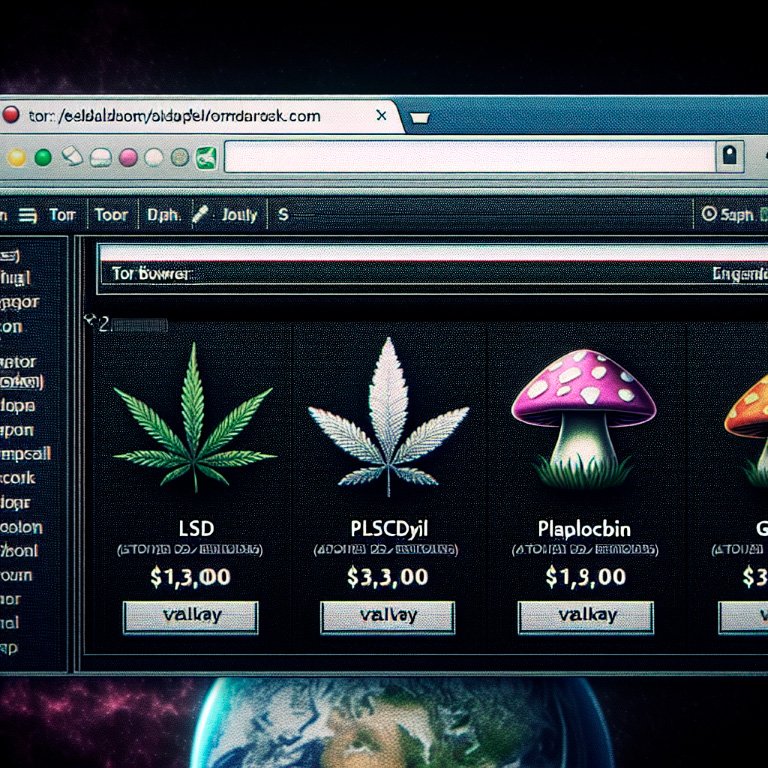
The modern darknet ecosystem functions as a highly efficient, specialized marketplace, with its product diversity being a primary driver of its user base and economic resilience. Unlike geographically constrained traditional markets, these platforms aggregate a global supply chain, offering an unprecedented range of psychoactive and pharmaceutical substances. This variety is systematically categorized, often mirroring the structure of conventional e-commerce sites, which facilitates efficient navigation and comparison shopping for the informed user.
Available inventories consistently include several core categories:
- Classical plant-based substances such as cannabis, psilocybin mushrooms, and coca derivatives, often available in multiple refined forms and strains with detailed cannabinoid or alkaloid profiles.
- Synthetic compounds and research chemicals, including various amphetamines, cathinones, and novel psychoactive substances, which are frequently documented with chemical data and expected effects.
- Pharmaceutical-grade medications, ranging from opioids and benzodiazepines to stimulants like modafinil, often sourced from international pharmacies or diverted production lines.
- Precursor chemicals and laboratory equipment for specialized synthesis, catering to a more technically proficient segment of the user community.
The platform architecture supports this diversity through vendor storefronts, advanced search filters, and user review systems. Each listing is typically accompanied by technical specifications regarding purity, dosage, and origin, allowing for a transactional model based on empirical data rather than anecdote. This level of product granularity and transparency, enforced by community feedback and escrow mechanisms, creates a competitive environment where quality and reliability are directly linked to vendor success. The result is a self-regulating market that efficiently matches a wide spectrum of consumer demand with a correspondingly broad and detailed supply.
How User Reviews Guide Safe Purchases on the Darknet
User reviews form a critical feedback mechanism on darknet platforms, transforming subjective experience into actionable data for prospective buyers. This system replicates and often refines the trust models found in conventional e-commerce. Reviews provide a direct assessment of a vendor's product quality, shipping reliability, and stealth packaging. A vendor with hundreds of consistent positive reviews establishes a reputation that is difficult to fake, creating a self-regulating environment where poor service or adulterated products are quickly identified and marginalized.
The analysis of reviews extends beyond simple ratings. Detailed comments allow for a nuanced understanding of a transaction. Buyers frequently report on specific aspects such as:
- the precise weight and purity of the substance received,
- the speed and discretion of the delivery process,
- and the professionalism of communication with the vendor.
Therefore, a diligent review of this crowdsourced data is a fundamental step for safe procurement. It shifts the purchasing process from a gamble to a calculated choice based on peer-verified performance, enhancing overall market efficiency and user security.
How Escrow Makes Darnet Drug Deals Safe and Smooth
The escrow system is a fundamental component that enables secure trade on the darknet. It functions as a neutral third-party service, holding a buyer's cryptocurrency payment in a secure account until the ordered goods are received and confirmed. This mechanism directly addresses the inherent trust deficit in anonymous environments, creating a framework for enforceable agreements.
Operation follows a clear sequence. After a purchase is made, funds are locked in escrow and are not immediately available to the vendor. The buyer then awaits shipment. Upon successful delivery, the buyer finalizes the transaction, which releases the escrowed funds to the vendor. If a dispute arises, such as non-delivery or substandard quality, the involved parties can open a mediation case. Moderators or site administrators review the evidence, which often includes encrypted messaging logs and product photos, before adjudicating the release of funds to the appropriate party.
The technical implementation relies on multisignature cryptocurrency wallets. These require two or three digital signatures to authorize a transaction. In a standard 2-of-3 multisig setup, keys are held by the buyer, the vendor, and the marketplace escrow service. A successful, dispute-free transaction requires signatures from the buyer and vendor. In a dispute, the marketplace uses its key to sign alongside the winning party, ensuring a fair resolution is enforced by the blockchain's protocol rather than pure trust.
This design provides concrete advantages:
- It protects buyers from losing funds to vendors who do not ship products.
- It incentivizes vendors to maintain high service standards to receive prompt payment.
- It builds a verifiable reputation history for both parties, as successful escrow completions are recorded.

How Darknet Markets Keep Your Shopping Private
The foundational architecture of a darknet market is engineered to prioritize user anonymity and transactional privacy above all else. This design begins with mandatory access through specialized networks like Tor or I2P, which obfuscate a user's real IP address by routing traffic through multiple encrypted layers. This process makes it exceptionally difficult to trace network activity back to its physical source.
Within this protected network, the market's own infrastructure employs several critical features:
- End-to-end encryption (E2EE) for all communications between users and between buyers and vendors, ensuring that private messages and order details remain unreadable to anyone except the intended recipient.
- The use of cryptocurrency, primarily Bitcoin or Monero, which provides a layer of financial privacy distinct from traditional banking systems. Monero, in particular, offers enhanced anonymity through its obfuscated ledger.
- A strict operational policy that discourages the exchange of any personally identifiable information. Transactions are conducted using cryptographic addresses and pseudonymous usernames, effectively decoupling real-world identity from market activity.
This multi-layered approach creates a resilient environment where commerce can proceed with a significantly reduced risk of exposure. The architecture does not guarantee absolute anonymity, as operational security errors by the user can compromise it, but it establishes a robust technical framework that places privacy controls directly in the hands of the individual.
How Encryption Makes Darknet Commerce Safe and Efficient
Encryption functions as the fundamental security layer for all transactions and communications within the darknet ecosystem. It operates by scrambling data into an unreadable format during transmission, which can only be deciphered by the intended recipient possessing the correct cryptographic key. This process ensures that sensitive information, such as shipping details and financial data, remains confidential and protected from interception.
The architecture employs end-to-end encryption (E2EE) for private messages between buyers and vendors, meaning the platform itself cannot access the content. For financial transactions, multisignature (multisig) escrow systems add another encrypted layer, requiring multiple private keys to release funds and thus preventing unilateral fraud. The underlying technology, often a combination of RSA and AES protocols, creates a resilient environment where commerce can proceed with a high degree of certainty. User identities are protected through the persistent use of encrypted tunnels, ensuring that personal activity is separated from their public internet presence. This sophisticated yet automated application of cryptography makes the darknet a practical space for efficient trade, as it systematically removes the need for interpersonal trust by replacing it with verifiable, mathematical security guarantees.

How Tor Browser Makes Darknet Shopping Private and Easy
Accessing the darknet for private commerce requires specialized software, with The Onion Router (Tor) Browser being the primary gateway. This browser functions by routing a user's internet traffic through a global, volunteer-run network of encrypted relays. This process, known as onion routing, wraps data in multiple layers of encryption, peeling each layer away at a successive relay. The final relay, the exit node, delivers the traffic to the destination website without knowing the original source. This architecture ensures that both the user's location and the site's location are concealed, creating the necessary conditions for anonymous browsing and transaction initiation.
The browser's design directly facilitates secure market access. When a user enters a .onion address, which is the unique identifier for a darknet site, the connection is established entirely within the Tor network. This prevents internet service providers or network observers from seeing which specific market is being visited. The browser also automatically blocks plugins like Flash or Java that could leak a real IP address, maintaining the integrity of the user's anonymity. For enhanced security, users are advised to enable the browser's safest security level and to never maximize the browser window, as such actions can reduce privacy.
Beyond basic access, the ecosystem is supported by complementary tools that increase safety and convenience. TAILS (The Amnesic Incognito Live System) is an operating system run from a USB stick that leaves no digital footprint on the host computer, forcing all connections through Tor. For persistent and encrypted storage of market links and personal data, cryptocurrency wallets and password managers like KeePassXC are used. The process for a typical shopping session is straightforward:
- Boot into a secure operating system like TAILS or ensure all other applications are closed.
- Launch the Tor Browser and connect to a trusted directory for current market links.
- Navigate to the desired darknet market using its verified .onion address.
- Log in using credentials managed by a dedicated password manager.
How the Darknet Makes Buying Drugs Simple and Safe
Accessing the darknet for private commerce is a streamlined process built on specific tools and protocols. The foundational tool is the specialized browser, most commonly Tor, which routes connection data through multiple encrypted layers, obscuring a user's location and identity. This provides the initial layer of anonymity necessary to reach dedicated platform directories or forums.
Once connected, finding a reliable marketplace involves consulting community-driven resources. User reviews and vendor ratings on these forums are critical for informed decision-making, offering transparent feedback on product quality and transaction reliability. The actual platforms are engineered with privacy as a core principle, utilizing:
- End-to-end encryption for all communications
- Cryptocurrency wallets, primarily Bitcoin or Monero, for financial transactions
- Mandatory escrow services that hold funds until order completion
This integrated system ensures that purchasing is both secure and efficient. The encryption protects data, the currency obscures financial trails, and the escrow mechanism enforces fair trade. The result is a resilient digital ecosystem that supports discreet acquisition of a wide variety of substances, from pharmaceuticals to recreational compounds, with a focus on transactional security and user safety.