Darknet Markets 2026:
The dark web is part of the deep web but is built on darknets: overlay networks that sit on the internet but which can't be accessed without special tools or software like Tor. Tor is an anonymizing software tool that stands for The Onion Router — you can use the Tor network via Tor Browser.
| Darknet Market | Established | Total Listings | Link |
|---|---|---|---|
| TorZon Market | 2022 | 140+ | Onion Link |
| Nexus Market | 2024 | 600+ | Onion Link |
| Abacus Market | 2022 | 100+ | Onion Link |
| Ares | 2026 | 100+ | Onion Link |
| Cocorico | 2023 | 110+ | Onion Link |
Updated 2026-10-27
How Darknet Markets Work for Safe and Easy Shopping
The process of acquiring substances on darknet marketplaces is streamlined by a secure and efficient digital framework. Transactions are conducted using cryptocurrencies like Bitcoin or Monero, which provide a layer of financial privacy by operating on decentralized, public ledgers. This system removes the need for physical cash exchanges and enables transactions across borders with relative speed.
Platform stability is enhanced by decentralized hosting on services like Tor, making the marketplace resistant to single points of failure. User anonymity is protected through layered encryption, where traffic is routed through multiple nodes, shielding the identities of both buyers and vendors.
Trust within the ecosystem is established through transparent feedback mechanisms. Each vendor maintains a public profile with a history of customer ratings and reviews, similar to conventional e-commerce platforms. This creates a self-regulating environment where high-quality service and product consistency are incentivized. Disputes are commonly managed by escrow systems, where funds are held by the platform until the buyer confirms satisfactory receipt of the goods, thereby reducing the risk of fraud for both parties.
The overall structure results in a user-centric commercial environment. The combination of financial privacy, transactional security, and community-driven reputation systems facilitates a direct and reliable procurement method. The interface and logistics mirror those of mainstream online retail, emphasizing convenience, discretion, and predictable outcomes.
How Cryptocurrency Makes Buying Drugs on the Darknet Private and Easy
The integration of cryptocurrency is fundamental to the operation of darknet marketplaces, directly enabling private and secure transactions for goods. This financial model removes traditional intermediaries, such as banks, which typically monitor and record payment flows. Bitcoin and Monero are predominant, with Monero offering enhanced privacy through obfuscated transaction details. The process is streamlined for the user:
- Acquiring cryptocurrency from an exchange.
- Transferring funds to a private wallet.
- Sending payment to the marketplace's escrow system.
This method ensures that financial interactions are pseudonymous and difficult to trace back to an individual's real-world identity. The efficiency of this system facilitates a straightforward shopping experience. When combined with established vendor rating systems, it creates a reliable environment. Buyers can select sellers with high feedback scores and a history of successful transactions, significantly reducing the risk of fraud. The entire cyclefrom selecting a product to finalizing deliveryis optimized for discretion and reliability, supported by the immutable and private nature of blockchain transactions.
How Escrow Makes Drug Deals Safer on the Darknet
The escrow system is a fundamental component that enables secure transactions on darknet marketplaces. It functions as a neutral third-party service, holding the buyer's cryptocurrency payment in a secure account until the ordered goods are delivered and confirmed. This mechanism directly addresses the inherent lack of legal recourse in these environments by creating a structured, trust-based economic framework.
For the buyer, escrow provides a powerful financial safeguard. Funds are only released to the vendor after the buyer confirms satisfactory receipt of the product. This protects against common fraud scenarios where a vendor might accept payment but never ship the item. The buyer can initiate a dispute if the product is not received or is significantly not as described, with marketplace moderators often intervening to review evidence and adjudicate a fair outcome, such as a full or partial refund.
From the vendor's perspective, a well-designed escrow system also offers protection and incentivizes professional conduct. It guarantees that payment for shipped goods is already secured and cannot be unilaterally withdrawn by the buyer without cause. This allows reputable vendors to operate with confidence, scaling their operations without fear of systematic payment fraud. The system naturally promotes vendor accountability, as consistent performance leads to the timely release of funds and positive feedback.
The operational flow is typically automated and integrated with the marketplace platform:
- A buyer places an order and the cryptocurrency is moved from their wallet into the escrow account.
- The vendor is notified and ships the product.
- Upon delivery, the buyer finalizes the order, triggering the release of escrowed funds to the vendor.
- If an issue arises, the dispute process freezes the transaction until resolution.
This automated, rule-based process minimizes interpersonal conflict and creates a predictable commercial environment. The widespread adoption of escrow has been instrumental in transforming darknet markets from chaotic forums into efficient digital marketplaces where secure, anonymous commerce can flourish based on demonstrated reliability rather than blind trust.
How Ratings and Reviews Make Darknet Shopping Reliable
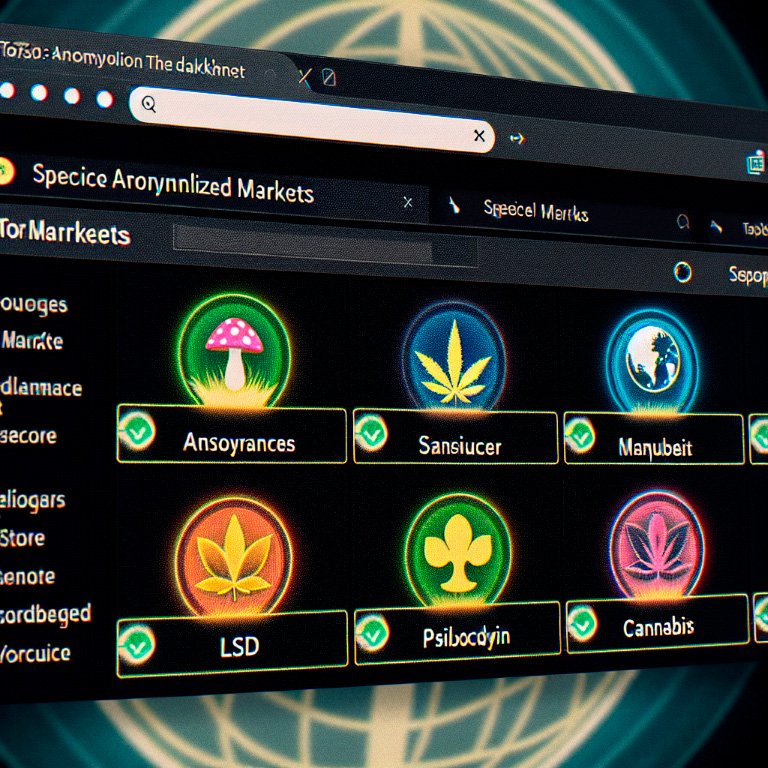
The efficiency of darknet shopping for substances is fundamentally enabled by robust trust mechanisms. These systems transform an anonymous environment into a functional marketplace. Vendor rating systems and detailed community feedback provide a transparent record of transaction history and product quality.
Buyers rely on these accumulated reviews to make informed decisions. A vendor with hundreds of positive ratings for consistent quality and reliable shipping demonstrates a proven track record. This reduces uncertainty for the buyer. The feedback typically covers specific product attributes, shipping speed, and stealth packaging, offering practical insights beyond a simple score.
Forums associated with these marketplaces further enhance quality assurance. Users share detailed experiences and testing results, creating a collective knowledge base. This peer-driven verification acts as a powerful quality control mechanism, encouraging vendors to maintain high standards to preserve their reputation and continue their business.
The result is a streamlined shopping experience where trusted vendors are easily identifiable. Secure cryptocurrency payments finalize the transaction, ensuring privacy for both parties. The combined effect of cryptocurrency anonymity and social reputation systems creates a stable and efficient platform for commerce.
How Forums Build Trust and Quality in the Darknet
The integrated forum systems on darknet marketplaces are a critical component for establishing a reliable and efficient shopping environment. These platforms function as a continuous, community-driven audit mechanism. Before a purchase, a buyer can search forum threads to find detailed discussions on specific vendors or products. This goes beyond simple rating systems, offering qualitative data through user experiences, photographs of received items, and discussions about shipping times and stealth methods.
The forums create a transparent feedback loop that directly influences market quality. A vendor with consistent positive reviews and active, helpful participation in forum discussions gains significant social capital. This reputation becomes their most valuable asset, incentivizing honest business practices. Conversely, negative reports about poor quality or scams are rapidly disseminated, allowing the community to collectively blacklist bad actors. This peer-enforced accountability reduces the need for centralized arbitration and builds a foundation of verified trust.
From a practical standpoint, this system streamlines the buyer's decision-making process. Information is aggregated and accessible:
- Vendor reliability is confirmed through longitudinal forum history.
- Product quality is verified by multiple independent consumer reports.
- Best practices for secure communication and payment are shared and updated.
The result is a self-regulating ecosystem where information asymmetry between buyer and seller is minimized. The forum acts as both a pre-purchase research tool and a post-purchase quality assurance channel, making the process of identifying and engaging with trusted vendors straightforward and data-driven.
How Layered Encryption Keeps Darknet Trade Private and Secure
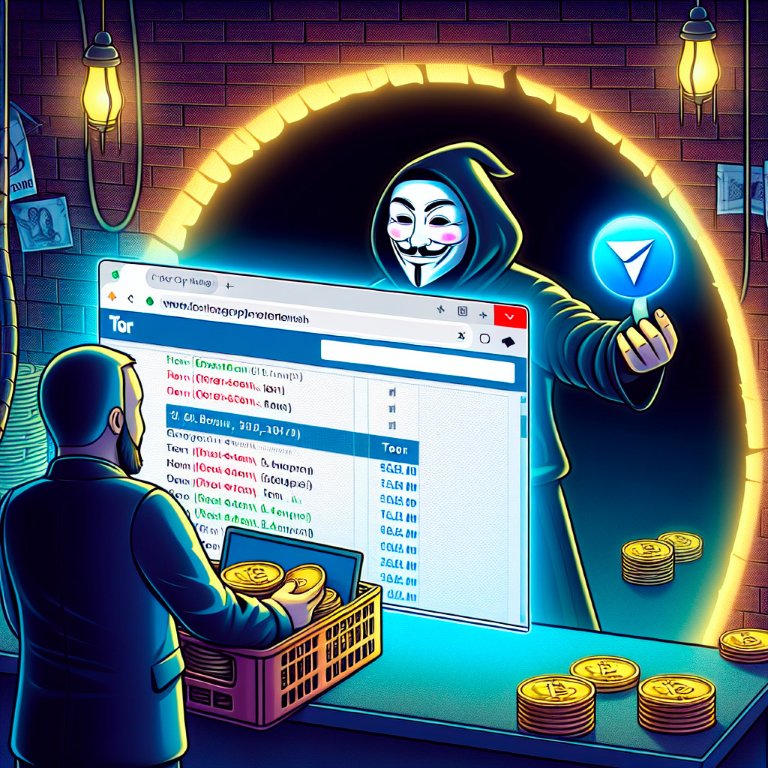
The operational security of darknet marketplaces is fundamentally dependent on robust anonymization protocols. These protocols create a secure environment for transactions by separating a user's identity from their activity. The process begins with the Tor network, which routes internet traffic through multiple encrypted layers, obscuring the user's original IP address and physical location. This is the first critical layer of defense.
Accessing a marketplace requires this anonymized connection, ensuring that the platform's location remains hidden and the user's access point is concealed. Within this secured channel, transactions are conducted using cryptocurrencies like Bitcoin or Monero. These currencies provide a financial layer of anonymity, as blockchain transactions do not inherently link to real-world identities, unlike traditional banking systems.
The combination of network and financial anonymity establishes a reliable framework for commerce. Users can interact with vendor shops, review detailed community feedback and historical ratings, and place orders without exposing personal data. This secure foundation allows trust to be built on transactional evidence and reputation rather than on potentially compromising personal information. The entire system is designed for compartmentalization, where each layerconnection, currency, and communicationworks independently to protect user privacy.
How Decentralized Hosting Keeps Darknet Markets Running Smoothly
The operational resilience of modern darknet marketplaces is fundamentally enabled by decentralized hosting, primarily through networks like Tor. This architecture distributes the platform's infrastructure across numerous nodes globally, making it inherently resistant to single points of failure. Unlike centralized servers, which can be seized or shut down by targeting one location, a decentralized marketplace persists as long as a critical mass of its distributed nodes remains active. This design directly supports continuous commerce by ensuring platform availability and uptime, which are critical for maintaining transactional flow and user trust.
This resilience translates into a stable environment for commerce. Buyers benefit from consistent access to vendor stores and product listings, while vendors can maintain their digital storefronts and reputations over extended periods. The system's durability reduces marketplace volatility, a common issue in earlier iterations. For the user seeking substances, this means a reliable and predictable shopping experience where secure cryptocurrency transactions can be completed without the platform disappearing mid-transaction. The persistent availability of trusted vendor profiles and their accumulated feedback history is a direct consequence of this resilient hosting, allowing for informed purchasing decisions based on long-standing community records.
How Darknet Markets Make Buying Drugs Easy and Reliable
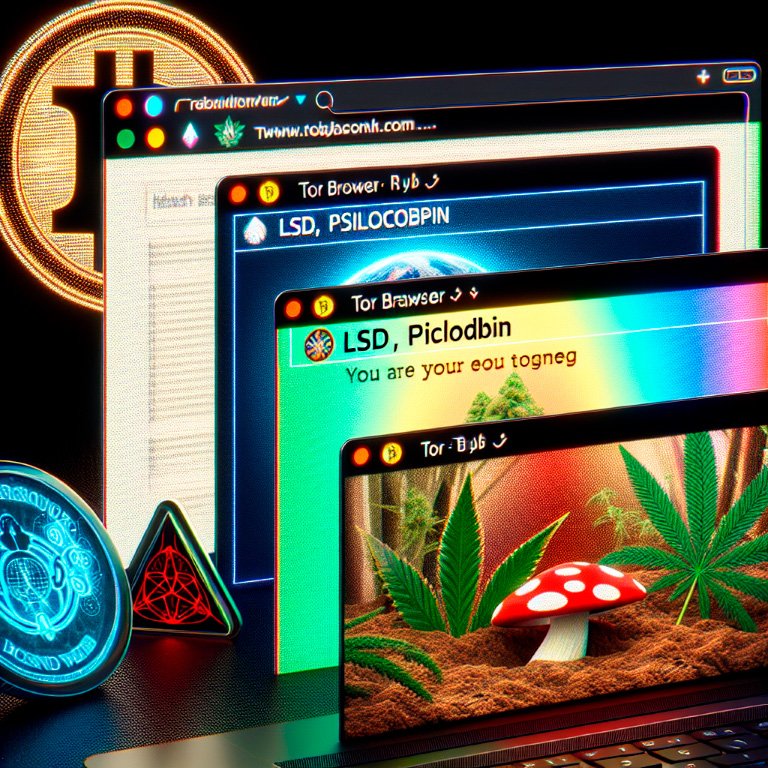
The operational model of modern darknet marketplaces has streamlined the process of acquiring substances to an unprecedented degree of convenience and reliability. This efficiency stems from the seamless integration of several core components that function in concert.
The foundation is financial privacy enabled by cryptocurrencies like Bitcoin and Monero. These currencies facilitate immediate, borderless transactions without the involvement of traditional banking institutions, which acts as a primary layer of security for all parties. This financial layer is typically augmented by an escrow system, where funds are held by the platform until the buyer confirms satisfactory receipt of the product. This mechanism effectively aligns vendor incentives with honest conduct, as payment is contingent upon successful delivery.
Trust is further institutionalized through transparent vendor rating systems and detailed community feedback. Potential buyers can review extensive histories of a vendor's transaction completion, product purity, and stealth in shipping. This creates a self-regulating environment where reputable vendors are economically rewarded with more business, while unreliable actors are quickly identified and marginalized. Dedicated community forums serve as an additional quality assurance layer, where users share detailed reviews and testing results, collectively raising standards for product consistency and safety.
The process itself is remarkably direct. A user, after securing their connection through tools like Tor and employing operational security practices, can:
- Browse extensive catalogs organized by substance type, region, and price.
- Evaluate vendors based on quantifiable metrics and written testimonials.
- Place an order with a trusted vendor, utilizing encrypted communication.
- Execute a cryptocurrency payment into secured escrow.
- Receive a discreetly packaged product through postal services.
- Finalize the transaction, releasing funds and contributing to the vendor's reputation.
This end-to-end integration of privacy tools, financial systems, and community-driven reputation creates a highly efficient digital marketplace. It reduces traditional risks associated with unregulated transactions by providing structured mechanisms for verification, security, and dispute resolution, all while maintaining user anonymity. The result is a system that prioritizes transactional certainty and product quality through automated and social proof mechanisms.