Darknet Markets 2026:
The dark web is part of the deep web but is built on darknets: overlay networks that sit on the internet but which can't be accessed without special tools or software like Tor. Tor is an anonymizing software tool that stands for The Onion Router — you can use the Tor network via Tor Browser.
| Darknet Market | Established | Total Listings | Link |
|---|---|---|---|
| TorZon Market | 2022 | 140+ | Onion Link |
| Nexus Market | 2024 | 600+ | Onion Link |
| Abacus Market | 2022 | 100+ | Onion Link |
| Ares | 2026 | 100+ | Onion Link |
| Cocorico | 2023 | 110+ | Onion Link |
Updated 2026-10-27
How Darknet Markets Now Keep Your Drug Trades Safe
The evolution of darknet markets by 2025 is defined by a fundamental shift towards user-centric security architectures. These platforms no longer rely on single points of failure. Instead, they implement end-to-end encrypted communication channels that are entirely controlled by the user and vendor, making interception by external parties technically infeasible. This creates a private environment for transaction negotiation.
Account security has moved beyond simple passwords. The standard now involves multi-factor authentication using hardware security keys or dedicated authenticator apps, significantly reducing the risk of unauthorized account access. Furthermore, advanced client-side encryption ensures that all sensitive data, from shipping details to private messages, is encrypted on the user's device before it ever reaches the market's servers. The server only stores encrypted data it cannot read.
Financial protection is integrated directly into the trade process through decentralized escrow systems. These are smart contracts hosted on independent blockchains, not controlled by the market admins. Funds are held in this neutral escrow and are only released to the vendor once the buyer confirms satisfactory receipt of the product. This mechanism eliminates the risk of exit scams and provides a powerful, automated form of transactional security for all parties.
To protect against network surveillance, modern darknet platforms mandate the use of advanced anonymity networks beyond the standard Tor browser. Integration with networks like I2P or dedicated VPN-over-Tor configurations provides layered encryption and obfuscates traffic patterns, making user activity more resistant to deanonymization attacks. This layered approach to connectivity and data handling establishes a robust foundation for secure and private commerce.
How Multisig Escrow Makes Darknet Drug Trade Safer
The evolution of multi-signature escrow represents a fundamental improvement in transactional security for darknet commerce. Traditional escrow relied on a single market administrator holding funds, which created a central point of failure. The advanced multi-signature (multisig) systems operational in 2025 distribute this control among three parties: the buyer, the vendor, and the market platform or a designated third party.
In a standard 2-of-3 setup, funds are locked in a smart contract or similar cryptographic vault. Release requires approval from any two of the three key holders. This structure ensures that no single entity can unilaterally steal the escrowed coins. A vendor cannot disappear with the payment after a buyer releases it, and a market cannot exit-scam by confiscating all escrow funds at once. The system enforces accountability through its technical design.
Operational workflows are now more streamlined. A typical transaction follows clear steps:
- Buyer and vendor agree on terms, generating a unique multisig address.
- The buyer sends payment to this address, where it is cryptographically locked.
- Upon receiving the product, the buyer provides their signature to release payment to the vendor.
- If a dispute arises, the market provides its signature to either refund the buyer (with buyer signature) or pay the vendor (with vendor signature), acting as an arbitrator.
The technical implementation has moved beyond basic Bitcoin scripts. Widespread adoption of Taproot and Schnorr signatures has enhanced privacy and efficiency, making multisig transactions indistinguishable from regular ones on the blockchain. This reduces transactional fingerprinting. Furthermore, integration with off-chain protocols and layer-2 solutions allows for near-instant settlement of disputes without congesting the underlying network, improving user experience significantly.
The result is a trust-minimized environment. Financial risk is mitigated not by faith in an operator, but by verifiable code. This security model fosters greater economic activity by reducing the fear of fraud, establishing a more stable and reliable commercial ecosystem for peer-to-peer exchange.
Better Listings and Trust on the Darknet
The evolution of darknet markets by 2025 has fundamentally transformed product listings from simple text posts into a standardized, information-rich framework. This framework directly addresses historical issues of misrepresentation and inconsistency. Listings now function as detailed technical datasheets, incorporating mandatory, verifiable fields that establish a new baseline for transactional transparency.
Vendors are required to provide high-resolution, geotagged photographs of the actual product batch, with metadata confirming the image's origin and date. These visual records are supplemented by third-party lab results uploaded to the listing. The results detail precise chemical composition, purity percentages, and the presence of any adulterants. A standardized substance origin and supply chain log is also common, offering buyers insight into the product's journey, which enhances perceived reliability.
The platform architecture itself enforces quality assurance through integrated systems. A centralized batch verification system allows multiple vendors selling from the same sourced batch to link to a single, immutable lab report. User reviews are structured and granular, focusing on specific attributes:
- Measured weight accuracy against the listing
- Subjective potency relative to stated purity
- Physical characteristics matching provided images
This structured feedback is aggregated into vendor performance metrics that are displayed prominently, creating a powerful economic incentive for accuracy. Vendors with consistently accurate listings benefit from higher search rankings and buyer trust. The system creates a self-regulating environment where providing comprehensive, truthful product information is the most effective strategy for commercial success on these encrypted platforms.
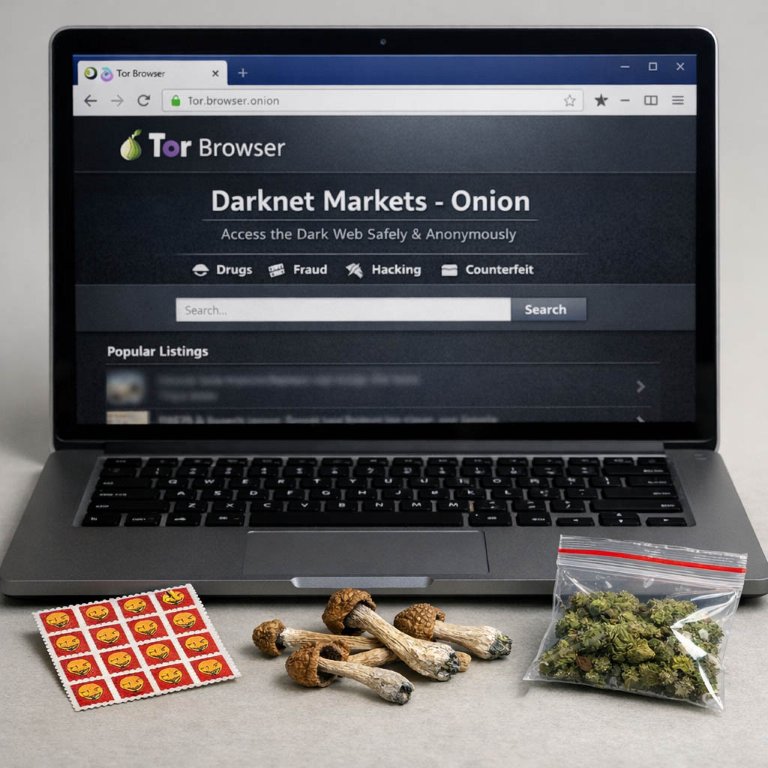
How Lab Tests and Source Info Make Buying Safer
The evolution of darknet markets in 2025 is fundamentally driven by a demand for transparency and safety in product quality. This shift moves beyond simple vendor reputation towards a system built on verifiable data. Modern platforms now integrate third-party analytical services, where sellers submit substance samples for laboratory analysis. The resulting certificates of analysis (CoA) are published directly on the product listing, detailing exact chemical composition, potency, and the absence of hazardous adulterants.
This analytical approach extends to substance origins. Vendors provide geographic and production metadata, such as the region of cultivation for cannabis or the synthesis method and precursor batch for synthetic compounds. This creates a chain of custody that informed buyers can evaluate. The mechanism functions through a decentralized ledger, where each analytical report is timestamped and cryptographically linked to a specific vendor and batch, making fraudulent claims easily identifiable by the community.
The practical impact is a measurable reduction in health risks. Buyers can make selections based on empirical purity metrics rather than marketing claims. This system enforces vendor accountability through peer-reviewed science, as a single falsified report can permanently damage a seller's credibility. Consequently, the entire ecosystem incentivizes the supply of accurately labeled products, elevating consumer safety to a primary market function.
Easy and Secure Trading in the Darknet
The evolution of darknet markets by 2025 has fundamentally redefined peer-to-peer exchange, moving beyond simple marketplace listings to create direct, encrypted trading environments. These platforms now function less as centralized bazaars and more as secure communication and transaction hubs, enabling buyers and sellers to negotiate and finalize deals with minimal intermediary oversight. The core mechanism facilitating this is the advanced multi-signature escrow, which holds cryptocurrency in a secure, third-party contract until all transaction conditions are verifiably met by both parties. This system removes the need for blind trust, as funds are only released upon confirmed delivery, thereby protecting all participants from fraud without requiring a central authority to hold the money.
This shift towards streamlined P2P exchange is powered by several integrated technological advancements. Automated dispute resolution modules, governed by smart contracts and community-elected moderators, provide a clear framework for resolving issues without external intervention. Furthermore, the integration of decentralized storage for communication and transaction details ensures that no single point of failure can compromise user data or the platform's integrity. The user experience is designed for clarity and efficiency, with interfaces that guide users through each stepfrom vendor selection and encrypted messaging to fund placement in escrow and final releasecreating a process that is as straightforward as conventional e-commerce but within a fully encrypted ecosystem.
The result is a trading environment that emphasizes autonomy, security, and efficiency. Users engage in direct trade with reinforced confidence, supported by systems that automate security and enforce agreements. This model not only accelerates transaction cycles but also fosters a more resilient and self-regulating darknet economy, where peer reputation and technological safeguards replace centralized control.

How Darknet Markets Deliver Reliably
The operational backbone of a modern darknet market is its logistics framework. By 2025, these systems have evolved beyond simple postal delivery into sophisticated, compartmentalized networks that prioritize security and reliability. The core principle is operational security (opsec) by design, where every step from vendor packaging to final drop is insulated. Vendors utilize professional-grade vacuum sealers and mylar bags with chemical barriers to eliminate scent, while packages are sourced from common retail chains to blend seamlessly with legitimate mail. This standardization reduces profile-based interdiction.
Logistics networks now function on a decentralized hub model. Products rarely move directly from source to destination. Instead, they pass through a series of independent, geographically dispersed reshippers who have no connection to the original vendor or the final buyer. Each node in the chain only possesses the information necessary for its specific task, effectively creating a firewall against chain-of-custody compromise. This method, while adding marginal transit time, exponentially increases the resilience of the entire delivery system.
The integration of blockchain-based tracking provides users with unprecedented transparency without sacrificing anonymity. Buyers receive a unique, encrypted tracking identifier that allows them to monitor progress through pre-defined checkpointssuch as "dispatched," "in transit," or "processed at hub"on the market's internal system. This eliminates the anxiety of the "black hole" package and builds trust, as both parties have a cryptographically verified record of the shipment's journey, all while keeping real-world postal tracking numbers obscured from the platform.
Finally, the adoption of machine learning algorithms assists in routing optimization. These systems analyze historical shipping data, regional seizure reports, and even general postal service performance metrics to dynamically suggest the safest and most efficient corridors for different destinations. The result is a self-improving logistics network that minimizes risk and maximizes successful delivery rates, making the acquisition of goods as reliable as any conventional e-commerce experience.
How User Reviews Build Trust on Darknet Markets
The evolution of darknet markets by 2025 has institutionalized user feedback as the primary mechanism for enforcing vendor accountability. This system operates on a principle of transparent peer review, where every transaction concludes with a multi-dimensional rating. Buyers evaluate not just product quality, but also stealth packaging, shipping speed, and communication. These reviews are cryptographically signed to prevent forgery, creating an immutable record of a vendor's performance history.
A vendor's reputation is quantified in a dynamic trust score, which aggregates feedback over time and weights recent transactions more heavily. Markets have automated systems that demote or suspend vendors whose scores fall below a community-defined threshold. This creates a self-regulating environment where poor service or product misrepresentation leads to a rapid loss of visibility and sales. The feedback loop is continuous; vendors with high scores gain placement in featured listings and benefit from lower escrow fees, incentivizing consistent reliability.
The structure extends beyond simple reviews. Dispute resolution is integrated directly into the feedback platform. If a buyer reports an issue, the system first checks the vendor's resolution history. Vendors known for proactively settling disputes maintain their scores, while those who consistently trigger third-party escrow arbitration face penalties. This design aligns vendor success with customer satisfaction, ensuring that the most reputable sellers control the market share. The entire feedback ecosystem is protected by the market's encryption, allowing for honest assessment without fear of exposure, cementing trust as the foundational currency of the encrypted platform.
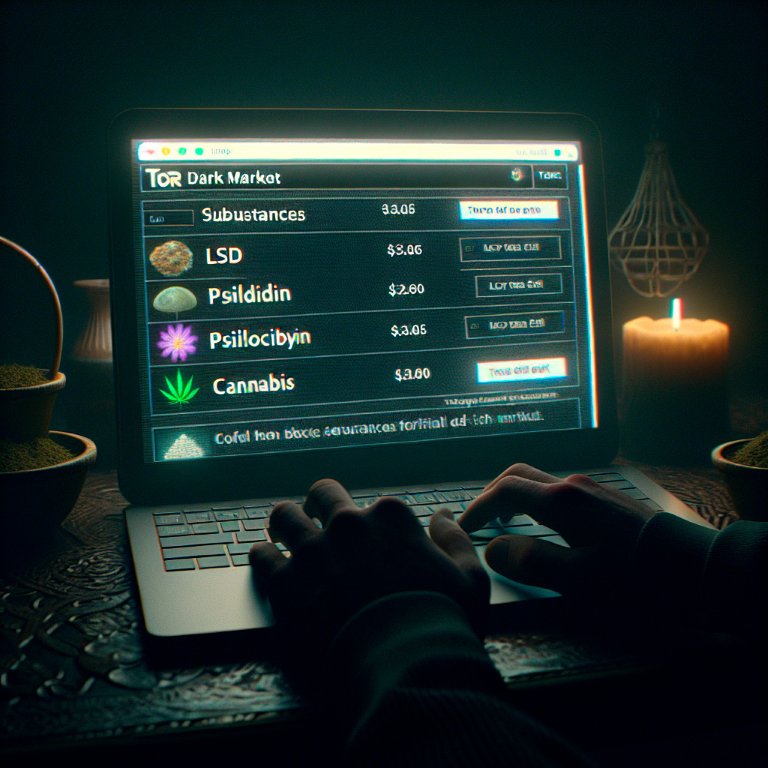
A Secure Darknet Marketplace for Drugs
The architectural foundation of darknet markets in 2025 is a sophisticated anonymous e-commerce ecosystem. This design integrates multiple specialized components into a single, user-centric platform, directly facilitating a secure drug trade on encrypted networks. The ecosystem operates on a principle of trust through technology, where cryptographic proofs replace personal identities.
User anonymity is maintained through layered encryption and mandatory use of privacy-focused cryptocurrencies with built-in mixing protocols. Every interaction, from browsing to finalizing a transaction, is routed through a series of anonymizing nodes, making the correlation of activities to a real-world identity technically unfeasible. The marketplace interface itself mimics mainstream e-commerce platforms, featuring shopping carts, vendor storefronts, and detailed product filters, which normalizes the user experience and reduces operational friction.
The ecosystem's resilience is enhanced by its decentralized hosting and automated escrow services. Funds are held in multi-signature wallets until the buyer confirms receipt and quality of the product, a system enforced by smart contracts on privacy blockchains. This design removes the need for a central, corruptible authority holding user funds. Dispute resolution is managed through a decentralized panel of randomly selected, highly-rated users, whose incentives are aligned with maintaining the platform's reputation for fairness.
Key integrated components include:
- End-to-end encrypted messaging systems for secure vendor-buyer communication.
- Blockchain-based verification systems for product purity and vendor transaction history.
- Decentralized content delivery networks that ensure platform uptime and resistance to takedowns.
- Reputation algorithms that weigh transaction size, frequency, and feedback to generate reliable trust scores.
This holistic design creates a self-policing commercial environment. The economic incentives for vendors to maintain high-quality products and reliable service are directly tied to their reputation and financial success within the system. For the user, the ecosystem provides a predictable, secure, and efficient marketplace where access to goods is determined by cryptographic keys rather than geographic or social boundaries.