Darknet Markets 2026:
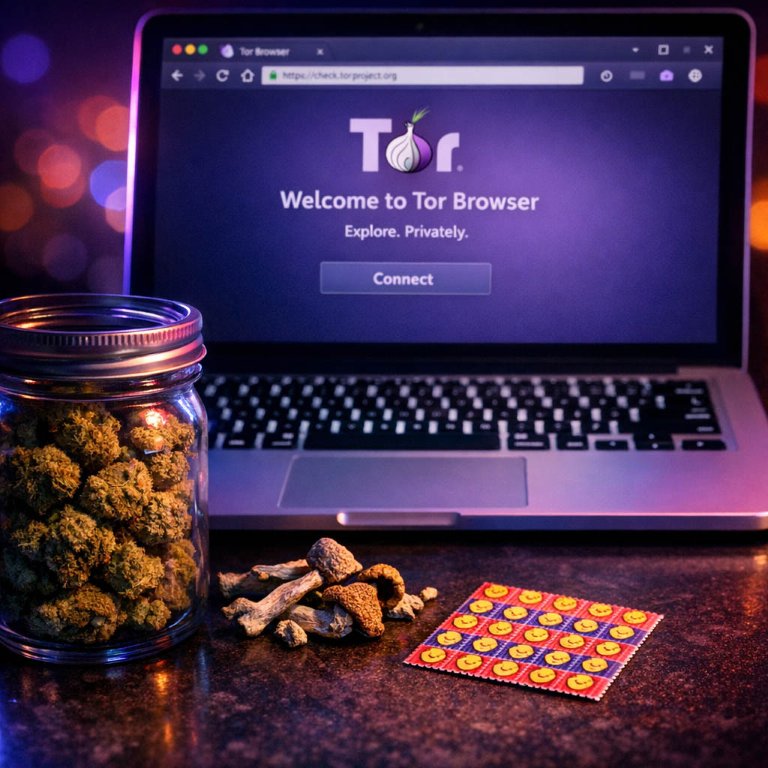
The dark web is part of the deep web but is built on darknets: overlay networks that sit on the internet but which can't be accessed without special tools or software like Tor. Tor is an anonymizing software tool that stands for The Onion Router — you can use the Tor network via Tor Browser.
| Darknet Market | Established | Total Listings | Link |
|---|---|---|---|
| TorZon Market | 2022 | 140+ | Onion Link |
| Nexus Market | 2024 | 600+ | Onion Link |
| Abacus Market | 2022 | 100+ | Onion Link |
| Ares | 2026 | 100+ | Onion Link |
| Cocorico | 2023 | 110+ | Onion Link |
Updated 2026-10-27
How Darknet Markets Build Trust and Quality
Finding quality and trust in darknet drug markets is a process driven by the platform's inherent design. The foundation is transactional privacy, enabled by cryptocurrency and encryption, which allows buyers and sellers to interact without exposing identities. This privacy fosters a commercial environment where reputation becomes the primary currency.
Vendors establish trust through consistent performance, documented in public feedback systems. Each completed transaction can result in a detailed review, creating a transparent record of product quality, shipping reliability, and communication. A vendor with thousands of positive reviews has a strong economic incentive to maintain high standards, as any decline in service directly impacts future sales.
The product variety available is extensive, often exceeding what is found locally. Markets cater to specific demands, offering everything from common substances to specialized pharmaceuticals. A key consumer benefit is consistent purity. Many vendors provide detailed chemical analysis reports from independent testing services, allowing buyers to verify content and potency before purchase. This level of product specification and verification is a direct result of competitive, feedback-driven markets.
The entire ecosystem operates on principles of discreet commerce. Packaging is designed to be undetectable, shipping methods are routine, and communication is encrypted. This operational security meets the consumer's core demand for reliable and satisfactory delivery. The system self-regulates through mutual dependence: buyers depend on vendor reputation for quality, and vendors depend on buyer feedback for business continuity.
How Darknet Markets Keep Your Purchases Private and Reliable
Establishing trust in darknet markets is a direct function of the platform's design, which leverages cryptographic tools to create a secure and transparent environment for commerce. The foundation is transactional privacy, achieved through the use of cryptocurrencies like Monero or Bitcoin with coin mixers, which sever the link between a user's identity and their financial activity. This privacy enables the other critical systems to function without external interference.
Vendor accountability is maintained through a transparent feedback and rating system. Each transaction concludes with a public review and product rating, creating a permanent record of performance. This system incentivizes consistent quality and honest conduct, as a vendor's reputation is their primary commercial asset. Buyers rely on this aggregated data, which includes:
- Detailed product reviews mentioning purity and delivery
- Average star ratings over hundreds of sales
- Vendor response rates to resolved issues
This demand for accountability drives product variety and consistent purity. Vendors compete on quality and specificity, often providing detailed lab analysis results. The feedback system acts as a continuous audit, where inconsistencies in advertised versus received product are immediately reflected in ratings. The resulting market dynamic aligns vendor success with consumer satisfaction, fulfilling demand through a self-regulating framework of verified transactions and peer reviews.
How Feedback Builds Trust on Darknet Markets
The foundation of trust in darknet drug markets is built upon vendor accountability, a system enforced entirely by the community and platform design. Unlike unregulated street transactions, these markets implement structured feedback systems that function as a continuous audit of vendor performance. Every transaction can be rated and reviewed by the buyer, creating a permanent, public record of reliability, product quality, and shipping discretion.
This transparent ledger of customer experiences directly influences a vendor's reputation and future sales. Vendors with consistently high ratings and positive detailed reviews gain trusted vendor status, which is prominently displayed on their profile. This status is a critical asset, incentivizing vendors to maintain high standards in:
- Product purity and accurate listing descriptions.
- Reliable shipping and stealth packaging.
- Professional communication and resolution of issues.
The feedback mechanism is multi-layered, often including separate ratings for product quality, shipping speed, and communication. Detailed written reviews provide context that simple ratings cannot, discussing specifics of the product's effects, the packaging's ingenuity, and the overall transaction smoothness. This collective intelligence reduces uncertainty for buyers, allowing them to make informed decisions based on peer verification rather than blind trust. Consequently, vendors are held accountable by their economic self-interest; a single scam or a batch of substandard product can generate a rapid cascade of negative feedback, severely damaging their business prospects. The system creates a self-regulating environment where quality and professional service are financially rewarded, and poor practices are quickly marginalized.

How the Darknet Offers Wide Selection and Reliable Quality
The darknet marketplace ecosystem is distinguished by an extensive product variety that surpasses traditional illicit channels. Consumers can source a wide spectrum of substances, from well-known compounds to specialized research chemicals, all from a single, discreet interface. This diversity is cataloged with a level of detail akin to mainstream e-commerce, including precise chemical names, expected effects, and recommended dosages.
This environment directly fosters consistent purity. Vendors operate on a reputation-based model where long-term success depends on reliable product quality. Each transaction is accompanied by a public feedback system, creating a transparent record of buyer experiences. A vendor selling adulterated or misrepresented products quickly receives negative reviews, which severely impacts future sales. Therefore, maintaining purity is a fundamental economic imperative.
The mechanism for verifying this consistency relies on community-driven drug testing. Many markets encourage or facilitate the use of independent testing services. Samples from purchased products are analyzed, and the results are published on associated forums. This creates an additional layer of accountability beyond the vendor's own claims.
The convergence of variety and purity meets specific consumer demands:
- Users seeking predictable experiences rely on vendors with established purity records.
- The competitive landscape incentivizes vendors to specialize in consistently high-quality batches of specific substances.
- Detailed product listings and historical feedback reduce the uncertainty typically associated with illicit drug acquisition.
Ultimately, the darknet's structure transforms quality assurance from an individual risk into a managed, crowd-sourced process. The search for a specific substance becomes a search for a vendor with a verifiable history, aligning commercial interests with consumer safety outcomes.
How Crypto and Escrow Build Trust for Reliable Darknet Sales
Cryptocurrency is the financial engine of the darknet marketplace, enabling a level of transactional privacy that was previously unattainable. Its decentralized nature removes traditional financial intermediaries from the process, allowing direct peer-to-peer value transfer. This architecture is fundamental for establishing trust in an environment where conventional legal frameworks are absent. The use of currencies like Bitcoin or Monero provides a pseudonymous layer; while Bitcoin transactions are recorded on a public ledger, they are not inherently linked to real-world identities without external data. More privacy-focused coins enhance this further by obfuscating transaction details, making financial tracking exceptionally difficult and thereby solidifying the foundation for discreet commerce.
The integration of cryptocurrency with escrow services directly addresses the core challenge of trust between anonymous parties. When a buyer initiates a purchase, funds are locked in a multisignature escrow system controlled by the marketplace. The vendor is notified to ship the product, but does not receive payment until the buyer confirms satisfactory receipt. This mechanism aligns vendor accountability with consumer satisfaction, as vendors are financially incentivized to maintain high standards of product purity and reliable service to secure the release of funds and positive feedback. The escrow system, powered by immutable blockchain transactions, creates a self-regulating economic model where reputation becomes a vendor's most valuable asset.
This feedback loop, permanently recorded on vendor profiles, transforms subjective experience into actionable data for the community. Consistent product variety and purity are not merely advertised but are empirically verified through accumulated ratings and detailed reviews. Buyers systematically report on the accuracy of product descriptions, shipping speed, and stealth of packaging. Consequently, a market for quality is naturally established: vendors with long-standing, high feedback scores can command premium prices, while new entrants must prove their reliability. Cryptocurrency facilitates this entire ecosystem by enabling secure, final payments and escrow releases without the risk of chargebacks or centralized interference, meeting the clear consumer demand for a satisfactory and predictable transaction.
How Darknet Markets Build Trust for Safer Trade
Finding quality and trust on the darknet is a process driven by the platform's own design. The system relies on cryptographic security and community-driven verification to create a reliable trading environment. Buyers establish trust by analyzing a vendor's historical data, which is permanently recorded on the marketplace.
This data includes detailed customer feedback scores and product purity reports. A high feedback score indicates consistent transactional success, while purity reports, often from third-party testing services, provide objective quality metrics. The structure creates a form of digital reputation that is difficult to falsify.
Effective navigation involves a systematic approach:
- Examining a vendor's tenure and total number of completed transactions.
- Reading recent and detailed customer reviews that describe product accuracy, shipping, and communication.
- Comparing listed product chemical analyses against expected results for known substances.
This transparent accumulation of data allows buyers to make informed decisions. The escrow payment system further reinforces trust by holding funds until the buyer confirms satisfactory receipt of goods. The result is a self-regulating marketplace where vendor accountability is directly linked to commercial success, incentivizing honest trade and high-quality products.
How Darknet Markets Build Trust and Quality for Buyers
The demand for satisfaction on the darknet is met through systems that prioritize quality assurance and trust verification. These markets operate on principles similar to conventional e-commerce, where consumer feedback directly influences vendor reputation. A buyer's ability to find reliable products hinges on transparent review systems and consistent vendor performance.
Vendor accountability is maintained by detailed feedback and rating systems. Each transaction can be reviewed, with comments often describing:
- the accuracy of product weight
- the speed and stealth of shipping
- the measured purity of the substance
Product variety is extensive, but consistent purity is a critical factor for consumer trust. Reputable vendors frequently provide lab testing results from third-party services, which verify the chemical composition and concentration of their products. This practice reduces health risks associated with adulterants and builds a foundation for reliable commerce. The use of escrow services holds payment in trust until the buyer confirms receipt and quality, protecting the consumer from fraud.
Cryptocurrency enables these private transactions, but the true mechanism for satisfaction is the iterative building of trust. A buyer can trace a vendor's history over hundreds of sales. This longitudinal data is more reliable than any single advertisement. The market's design ensures that meeting consumer demand is not incidental but is the fundamental requirement for a vendor's sustained operation.