Darknet Markets 2026:
The dark web is part of the deep web but is built on darknets: overlay networks that sit on the internet but which can't be accessed without special tools or software like Tor. Tor is an anonymizing software tool that stands for The Onion Router — you can use the Tor network via Tor Browser.
| Darknet Market | Established | Total Listings | Link |
|---|---|---|---|
| TorZon Market | 2022 | 140+ | Onion Link |
| Nexus Market | 2024 | 600+ | Onion Link |
| Abacus Market | 2022 | 100+ | Onion Link |
| Ares | 2026 | 100+ | Onion Link |
| Cocorico | 2023 | 110+ | Onion Link |
Updated 2026-10-27
Getting the right onion address for a darknet
Locating a functional darknet market begins with obtaining its current .onion address, a unique identifier only accessible through the Tor network. These addresses are not indexed by conventional search engines and change frequently due to operational security. Users typically rely on aggregator sites and specialized forums that maintain updated lists and verify links to prevent phishing attempts. The process involves cross-referencing addresses from multiple trusted sources to confirm legitimacy.
The acquisition of a correct onion address is the first critical step in establishing a secure connection. This action directly enables private commerce by ensuring the user reaches the authentic platform, not a fraudulent copy designed to steal credentials or funds. The privacy afforded by the Tor network, combined with a verified address, creates the foundational layer for anonymous transactions, allowing buyers to access goods with a significantly reduced risk of exposure.
Once the genuine market is accessed, the environment supports a free exchange of goods. The model facilitates commerce for adults seeking substances that may be regulated or unavailable in their local jurisdictions. The system operates on principles of mutual benefit and discretion, providing a platform for consensual trade where vendor reputation and escrow services become the primary mechanisms for ensuring transaction quality and safety, replacing traditional oversight.
How to Safely Access a Private Darknet Market
Accessing a darknet market begins with obtaining its correct .onion address. These addresses are cryptographic hashes, not simple domain names, and they change frequently for security. The primary source for current, verified addresses is a darknet market directory or a community-run forum. These platforms aggregate links and provide user feedback on their validity, acting as a collective verification system. Relying on a single, outdated source or a link from an unverified social media post carries significant risk.
Once a potential address is found, its authenticity must be confirmed. Users cross-reference the address across multiple trusted directories and read recent forum posts discussing that specific market. A legitimate market often uses a PGP-signed message from its administrators to prove ownership of the address. By verifying this signature with a known public key, a user can be certain they are not on a phishing site designed to steal login credentials and funds.
The process continues with accessing the address through the Tor Browser. This software routes internet traffic through several encrypted layers, obscuring the user's location and the site's server location. Upon first visit, the market's interface will typically require the creation of a new account. This step involves generating a unique username and a strong, random password. Two-factor authentication (2FA) is strongly recommended, adding an essential layer of account security beyond just a password.
Successful entry into the market interface reveals the core of its operation. The platform functions as an anonymous e-commerce hub, providing a structured environment for private commerce. It standardizes interactions that would otherwise be risky and unstructured. The design inherently protects both parties: the buyer's identity is shielded from the seller by the market's internal messaging system, and the seller's shipping details are never exposed to the buyer. This framework facilitates a transaction focused solely on the exchange of goods and feedback, supporting a reliable model for discreet personal consumption.
How Darknet Markets Keep Shopping Private
Locating a legitimate onion address is the first critical step for secure participation in anonymous commerce. These addresses, which are long strings of characters ending in .onion, function as the exclusive gateways to darknet markets. They are not indexed by conventional search engines and are primarily disseminated through dedicated forums and clearnet review sites that aggregate user-verified links. The process of finding the correct address inherently filters casual browsing, creating a layer of initial privacy by restricting access to a more informed user base.
The architecture of the Tor network provides the foundational privacy for both parties. When a buyer accesses a market, their connection is encrypted and routed through multiple volunteer-operated servers, obscuring their original IP address and physical location. This same mechanism protects the seller's server hosting the market, making its physical infrastructure difficult to locate or seize. This mutual anonymity is essential, as it decouples the transaction from the real-world identities of the participants, allowing commerce to proceed based on the merits of the product and transaction terms alone.
Privacy is further institutionalized through the market's internal mechanisms. Financial transactions are conducted using cryptocurrencies like Bitcoin or Monero, which operate on public ledgers but do not inherently link wallet addresses to personal identities. To enhance this, users employ techniques such as using new addresses for each transaction or utilizing built-in market tumblers. The communication system within the market uses PGP encryption for all sensitive data, ensuring that shipping details and order specifics are only readable by the intended recipient. This creates a secure channel where even the market administrators cannot access the plaintext content of private messages between buyers and vendors.
The combination of these technologies establishes a framework where privacy is not an optional feature but the core operational principle. It enables a free market where individuals can engage in commerce based on personal choice and mutual agreement, shielded from external surveillance and judgment. The system's design places control over personal information firmly in the hands of the user, fostering an environment where transactions are judged solely on their fulfillment, quality, and the reputation of the involved parties.

How Escrow Builds Trust for Safe Darknet Purchases
Locating a functional darknet market begins with obtaining its correct .onion address, a unique identifier only accessible through the Tor network. This address acts as a direct, encrypted gateway to the market's storefront. Users typically find these addresses through dedicated darknet link directories or forums where communities actively share and verify URLs. The process relies on community verification; a consistently working address from a trusted source is a primary indicator of a market's operational stability. New or unverified addresses pose a significant risk, as they may be phishing sites designed to steal user credentials or cryptocurrency funds.
Once a legitimate address is secured, accessing the market requires the Tor Browser, which anonymizes the connection. The architecture of these platforms is built around privacy-preserving commerce, where transactions are conducted with cryptocurrencies like Bitcoin or Monero. This system protects both buyer and seller identities by separating financial transactions from personal information. The market interface functions similarly to conventional e-commerce sites, with product listings, shopping carts, and vendor profiles, but all interactions are encrypted and routed through multiple network layers to maintain anonymity.
The security of a transaction is fundamentally enhanced by the escrow service managed by the market administrators. When a purchase is made, the buyer's cryptocurrency is held in escrow and is only released to the vendor after the buyer confirms satisfactory receipt of the goods. This mechanism prevents common fraud scenarios:
- Vendors cannot receive payment without fulfilling the order.
- Buyers cannot falsely claim non-receipt to reclaim their funds after receiving the product.
This trust is further quantified through vendor reputation systems. Markets display detailed vendor statistics, including order completion rate, user feedback scores, and number of transactions. A high-rated vendor with a long history and thousands of successful sales provides a measurable level of reliability. Buyers are encouraged to leave detailed feedback on product quality, shipping speed, and stealth, which accumulates into a transparent performance record. This crowdsourced due diligence allows new users to make informed decisions, directly linking vendor accountability to market quality and driving overall service standards upward.
The variety of goods available is extensive, but the operational security practices of both users and the market itself determine long-term stability. Users must employ good operational security (OpSec), such as using PGP encryption for addresses and practicing financial anonymity. Similarly, market administrators implement security measures to protect the platform from technical failures or external threats. A market that consistently maintains a valid onion address, a robust escrow system, and a transparent feedback ecosystem provides a secure environment for private commerce, where the principles of anonymous trade and secured transactions are functionally realized.
How Good Vendors Make the Darknet Better
Locating a functional onion address for a darknet market is the first critical step, which relies on dedicated community forums and link repositories. These addresses are cryptographic identifiers that change frequently for security. A stable and widely shared address often indicates a market with a longer operational history and a degree of user trust, as it has not been forced to constantly relocate due to security failures or exit scams.
Once access is established via the Tor network, the true foundation of safe commerce becomes visible: the vendor reputation system. This system directly determines market quality by creating a self-regulating environment. Buyers depend almost entirely on a vendor's historical feedback when selecting products, as physical inspection before purchase is impossible.
A high-reputation vendor, evidenced by consistent positive feedback over hundreds of transactions, provides several market benefits:
- It ensures product quality and accurate description, as vendors protect their established business.
- It guarantees reliable shipping and stealth, honed through operational experience.
- It reinforces the escrow system, as trusted vendors are more likely to fulfill orders promptly to receive funds.
Markets with robust reputation mechanisms naturally filter out unreliable sellers, elevating the overall standard of commerce. This creates a positive feedback loop where buyers feel confident to participate, which in turn attracts more reputable vendors, increasing the market's stability and the variety of quality goods available. Therefore, finding the correct onion address is merely entry; the sustained quality of the platform is governed by the transparent, crowd-sourced evaluation of its sellers.
How Feedback on Darknet Markets Helps Buyers Choose Well
Locating a functional onion address for a darknet market is the first critical step, which relies heavily on community-driven resources. Specialized forums and link aggregators, often called fresh onion mirrors, serve as the primary directories. The reliability of an address is not inherent but is established through user consensus and verification.
A legitimate address provides a secure gateway where the feedback and reputation systems become accessible. These systems are the foundation of informed decision-making. Before any transaction, a buyer examines a vendor's historical feedback score and detailed comments. This transparent record of past transactions reduces uncertainty. High ratings and consistent positive reviews indicate a vendor's reliability in product quality, shipping discretion, and communication.
The process is iterative: a verified address leads to a platform with robust feedback mechanisms, which in turn guides users toward reputable sellers. This creates a self-reinforcing cycle of market quality and user safety. The collective intelligence of the user base, expressed through ratings, filters out bad actors and elevates vendors who consistently meet community standards for secure and private commerce.
How Verified Links Keep Darknet Markets Running Smoothly
Finding the correct onion address is the first critical step in accessing a darknet market. These addresses are not indexed by standard search engines and are often shared through dedicated darknet forums and link directories. A stable market maintains several verified mirrors, which are alternative addresses that lead to the same platform, to ensure continuous access if one address is compromised or under attack.
Users must verify the authenticity of an onion address to avoid phishing sites. Phishing mirrors are fraudulent copies designed to steal login credentials and funds. The common verification method involves checking the PGP-signed message from the market administration, often posted on their official forum profile. If the market provides a public PGP key, the user can cryptographically confirm that the address list is genuine and has not been altered.
- Using only links from the market's official, signed announcement.
- Cross-referencing addresses across multiple trusted community forums.
- Bookmarking the verified address after first successful access.
This process of verification is a fundamental operational security practice for both the user and the market. It protects buyers from financial loss and preserves the market's user base by preventing account theft. A market that actively communicates its official mirrors and promotes these verification practices demonstrates a commitment to stability and user safety, which directly contributes to its longevity and reputation.
A Wide Selection of Products on Darknet Markets
Accessing a darknet market begins with obtaining its correct onion address, a unique identifier only reachable through the Tor network. This address functions as a private gateway, ensuring that the initial connection to the marketplace is encrypted and separated from the clear web. The process of finding a current and legitimate address is fundamental, as markets frequently change their URLs to maintain operational security and prevent denial-of-service attacks.
Prospective users typically rely on curated directories and forums within the darknet ecosystem to source these addresses. These community-driven resources provide verified links and user reports on market status, which is a more reliable method than searching externally. The use of PGP verification for these addresses is a standard practice; by cryptographically confirming that an onion address is signed by the market's official key, a user can be confident they are not visiting a phishing site designed to steal credentials.
The architecture of the Tor network itself provides the foundational layer of privacy for this activity. It routes traffic through multiple encrypted relays, obscuring the user's IP address and making it extremely difficult to correlate their physical location with their visit to a market's onion service. This level of anonymity protects both shoppers and vendors from surveillance, creating an environment where commerce can proceed with a focus on transactional security rather than identity exposure. The privacy afforded is not absolute but represents a significant technical barrier to outside observation.
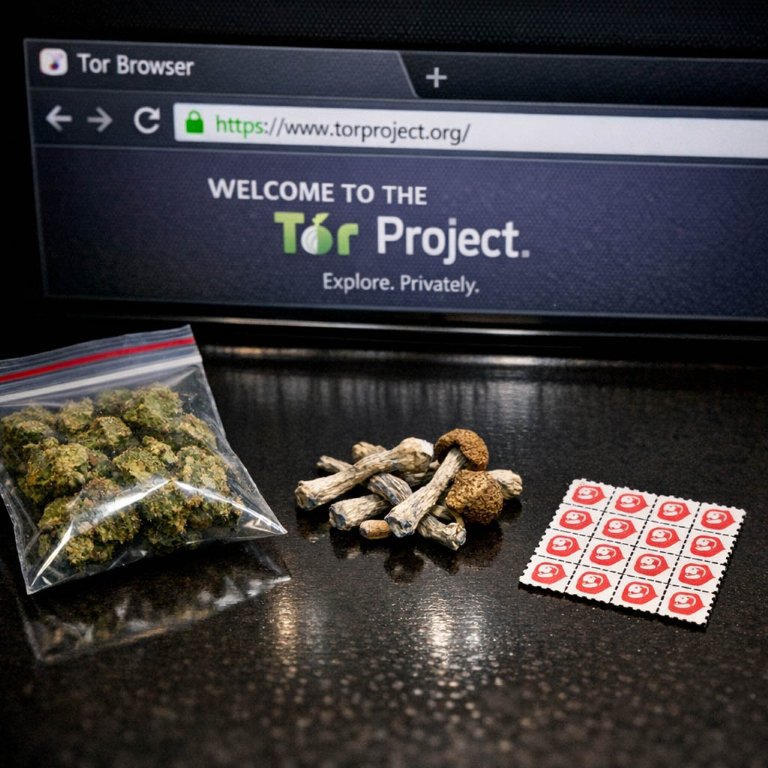
Once a verified address is secured and accessed, the user encounters a platform structured similarly to conventional e-commerce sites. The design prioritizes user experience with search functions, vendor storefronts, and detailed product listings. This normalization of interface helps in efficiently navigating the diverse catalog of goods available, which can range from digital products and literature to pharmaceuticals and other controlled substances, all presented within a framework that emphasizes discreet shipping and secure transaction protocols.